

Temperature-Controlled Packaging: How to Keep Sensitive Products Safe During Delivery

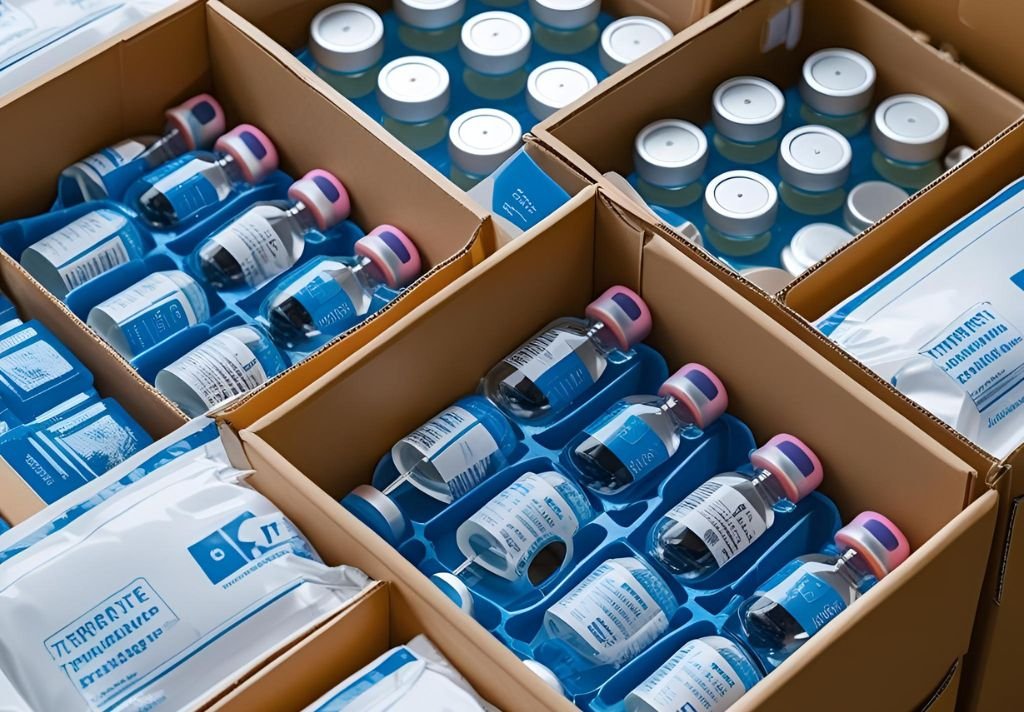
Temperature-controlled packaging is essential for transporting goods that need to stay within a certain temperature range. If it’s medicines, perishable food, or electronics, temperature-sensitive products must be kept at the right temperature to remain safe and effective. This type of packaging ensures that these products are protected during shipping and arrive in the same condition they were sent.
What Is Temperature-Controlled Packaging?
Temperature-controlled shipping keeps temperature-sensitive items safe while they’re being shipped by keeping them within a certain range. Vaccines, medicines, and foods that spoil quickly must be stored at the correct temperature to prevent them from losing their effectiveness or becoming hazardous.
For example, the World Health Organization (WHO) recommends that vaccines be kept between 2°C and 8°C to remain effective. Temperature-controlled packaging makes sure that vaccines and similar products are kept at the right temperature during transport.
Why Do We Need Temperature-Controlled Packaging?
- Keeps Products Safe: Many products, especially in the pharmaceutical and food industries, can spoil or lose their quality if they get too hot or cold. Temperature-controlled packaging keeps these products in good condition during delivery.
- Meets Industry Rules: Certain industries, like healthcare, have strict rules about how products should be transported. Temperature-controlled packaging helps businesses follow these rules, avoiding penalties or product recalls.
- Customer Expectations: Customers expect to receive their orders in perfect condition. When products like food or medicine are delivered safely, customers are happy and more likely to trust the business.
- Reduces Waste: Keeping products at the right temperature means they are less likely to spoil. This helps reduce waste and the cost of replacing lost goods.
Main Components of Temperature-Controlled Packaging
- Insulation: Materials such as expanded polystyrene (EPS) and polyurethane foam help slow down temperature changes by providing insulation around the product.
- Phase Change Materials (PCMs): These materials absorb and release heat when they change from solid to liquid and back. PCMs help maintain a steady temperature.
- Temperature Monitoring Devices: Devices like data loggers are used to monitor and record the temperature throughout the journey. This ensures that the product stayed within the required range.
- Outer Packaging: The outer layer of packaging protects the contents from damage during transport and handling.
Types of Temperature-Controlled Packaging
- Insulated Containers: These are boxes made from materials like Styrofoam or fiberglass that keep the temperature stable during delivery. They protect goods from temperature changes outside the box.
- Gel Packs: Gel packs are used to cool or heat products during transport. They help keep items at the correct temperature for a long time.
- Dry Ice: Dry ice is used for items that need to stay very cold. It keeps products frozen and is commonly used for shipping pharmaceuticals.
- Phase Change Materials (PCMs): PCMs absorb or release heat as they change from solid to liquid. These materials are designed to keep products at a steady temperature for longer periods.
- Active Systems: These systems have built-in refrigeration or heating. They are useful for longer shipping times or products that need more precise temperature control.
Industries That Benefit from Temperature-Controlled Packaging
- Pharmaceuticals: Some medications, like vaccines, need to stay at a specific temperature to remain effective. Temperature-controlled packaging keeps them safe during transport.
- Food and Beverages: Fresh food and drinks, especially those that need refrigeration, require temperature-controlled packaging. This helps them stay fresh until they reach the customer.
- Cosmetics and Personal Care Products: Many beauty products, such as lotions or perfumes, can be damaged by temperature changes. These products need to be transported in temperature-controlled packaging to maintain their quality.
- Electronics: Electronics, like computer parts, can be damaged by heat or cold. Special packaging helps protect them from temperature extremes during delivery.
Benefits of Temperature-Controlled Packaging
- Keeps Products Safe: Temperature-controlled packaging makes sure products are protected from temperature changes that could harm them. This ensures the product reaches the customer in good condition.
- Saves Money: By preventing spoilage, businesses can reduce the cost of returns and wasted products. Proper packaging helps save money in the long run.
- Meets Regulations: Temperature-controlled packaging helps businesses stay compliant with industry rules, avoiding penalties and ensuring the product is safe for use.
- Reduces Environmental Impact: Reducing waste by keeping products safe reduces the environmental impact. There is also a growing interest in eco-friendly packaging options.
New Trends in Temperature-Controlled Packaging
The temperature-controlled packaging industry is evolving, driven by new technologies and increasing demands for sustainable solutions. Here are some of the latest trends:
1. Smart Packaging
Smart packaging uses sensors to monitor temperature and other conditions in real time. These systems provide updates on the product’s status throughout the journey, helping to catch any temperature issues early. They also improve tracking and provide valuable data for quality control.
2. Eco-Friendly Materials
There is a growing focus on using sustainable materials for temperature-controlled packaging. Companies are exploring biodegradable insulation and recyclable phase change materials (PCMs) to reduce their environmental impact.
3. Better Insulation Materials
Advancements in insulation materials, like aerogels and vacuum-insulated panels (VIPs), offer better thermal protection. These materials are more efficient, which means they can keep products at the correct temperature for longer periods without adding extra weight or bulk.
Challenges of Temperature-Controlled Packaging
- Higher Costs: The materials used for temperature-controlled packaging can be more expensive than regular packaging, which may increase shipping costs.
- Logistical Challenges: Managing the temperature of products during delivery requires careful planning. Products need to be monitored to ensure they stay within the correct temperature range.
- Environmental Concerns: Some temperature-controlled packaging materials, like Styrofoam, are not environmentally friendly. This has led to a push for more sustainable packaging options.
Conclusion
Temperature-controlled packaging is vital for shipping sensitive products like medicines, food, and electronics. It keeps products safe, meets industry rules, and satisfies customer expectations. Though it can be more expensive and complex, the benefits outweigh the challenges, especially as businesses move toward more sustainable packaging solutions. Investing in the right temperature-controlled packaging is essential for maintaining product quality and ensuring customer satisfaction.