
Last-Mile Delivery Challenges: The 10 Issues Hurting E-Commerce Brands Most

Delivering products on time is one of the hardest parts of running an e-commerce business. Even when products are packed and orders are confirmed, the final stretch of delivery often determines whether customers feel satisfied or frustrated. Understanding the main last-mile delivery challenges helps your business reduce delays, control costs, and protect your reputation. For many London brands, this last stage is where customer expectations are tested most, because congestion, access restrictions, and tight delivery windows can quickly disrupt even well-planned operations.
Why Last-Mile Delivery Matters for E-Commerce Businesses
The last mile is often the most complex and costly stage of the logistics chain, and it is the only part customers experience directly. When deliveries arrive late, get missed, or arrive in poor condition, it creates immediate customer service pressure, increases refunds and redelivery costs, and can lead to negative reviews that reduce future sales.
Last-mile delivery challenges are especially pronounced in London, where congestion, limited parking, restricted access streets, and unpredictable traffic make on-time delivery difficult. By understanding these challenges, e-commerce businesses can make smarter decisions about logistics partners, route planning, and tracking systems. Reliable last-mile operations help products arrive when customers expect them, which supports trust, loyalty, and repeat orders.
The 10 Key Last-Mile Delivery Challenges
The final stage of delivery often determines how customers judge your service. Even when orders are processed perfectly, operational hurdles can cause delays, increase costs, and disrupt delivery schedules. Knowing what tends to go wrong helps e-commerce teams plan better, improve reliability, and keep customers informed.
- Rising Delivery Costs
- Urban Congestion and Traffic Delays
- Remote or Hard-to-Reach Deliveries
- Failed Deliveries and Customer Availability
- Returns and Reverse Logistics Complexity
- Lack of Real-Time Visibility
- Inefficient Route Planning
- High Customer Expectations
- Technology and System Integration Gaps
- Sustainability and Environmental Concerns
1. Rising Delivery Costs
Rising last-mile costs remain a major challenge for e-commerce businesses. Fuel, labour, vehicle maintenance, and compliance costs can quickly reduce margins, especially when delivery density is low or redeliveries are common. Working with a reliable partner and optimising delivery routes and drop density helps control costs without sacrificing service quality.
2. Urban Congestion and Traffic Delays
London’s traffic patterns are unpredictable, and congestion can create knock-on effects across the entire delivery day. Restricted access streets, loading limits, and limited parking can extend delivery times and increase failed attempts. Smarter planning that accounts for traffic hotspots, delivery windows, and realistic time-per-drop assumptions helps reduce disruption.
3. Remote or Hard-to-Reach Deliveries
Not every delivery is in a convenient city-centre location. Industrial estates, outskirts, and harder-to-access addresses can increase travel time and reduce route efficiency. Planning routes with geography in mind, and grouping drops where possible, helps keep delivery performance stable and prevents these deliveries from slowing down everything else.
4. Failed Deliveries and Customer Availability
Missed deliveries are one of the most expensive last-mile problems. If customers are unavailable or delivery instructions are unclear, drivers may need to re-attempt delivery, increasing labour cost and delaying other drops. Clear delivery communication, accurate address data, and flexible delivery options can significantly reduce failed attempts.
5. Returns and Reverse Logistics Complexity
Returns are part of modern e-commerce, but reverse logistics can disrupt operations if handled inefficiently. Collection routes, return inspection, and restocking delays can create extra costs and reduce inventory availability. Systems that support proactive returns coordination and visibility help keep returns from becoming a bottleneck. Real-time tracking and structured returns workflows also reduce customer frustration.
6. Lack of Real-Time Visibility
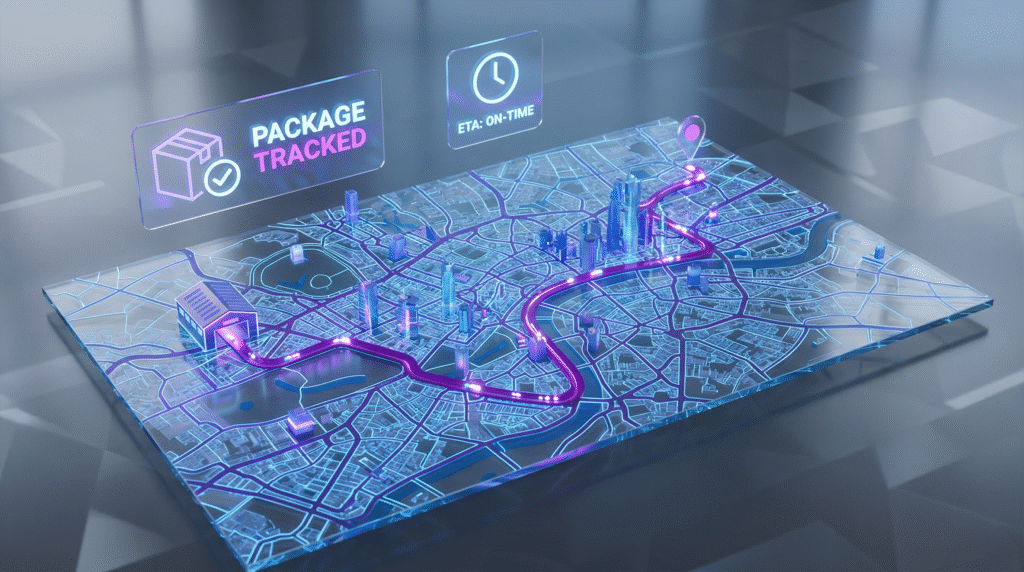
Without real-time visibility, businesses struggle to update customers, handle exceptions, and respond quickly when delays happen. This often leads to more “Where is my order?” tickets and lower customer trust. Tracking systems that provide live status updates and clear proof of delivery improve communication and allow faster intervention when problems occur.
7. Inefficient Route Planning
Poor route planning increases drive time, fuel use, and missed delivery windows. It also makes performance less predictable, especially when traffic conditions change. Tools and delivery processes that account for drop density, time-on-site, and live traffic patterns help routes stay efficient, deliveries stay punctual, and costs stay under control.
8. High Customer Expectations
Customers increasingly expect faster, more flexible delivery options, including next-day, timed windows, and hassle-free returns. Meeting those expectations requires dependable capacity, consistent driver performance, and communication that keeps customers informed throughout delivery. Working with trusted logistics partners helps maintain service levels even during peak demand periods.
9. Technology and System Integration Gaps
Disconnected systems create delays, errors, and miscommunication between order management, warehouse operations, and delivery execution. Manual handoffs increase the chance of mistakes in addresses, delivery notes, and status updates. Integrating key systems, or using logistics partners with compatible workflows, improves data accuracy and reduces operational friction.
10. Sustainability and Environmental Concerns
Sustainability is becoming a deciding factor for many customers and brands. At the same time, compliance requirements and environmental expectations are increasing operational pressure on delivery networks. Efficient route planning, smart vehicle utilisation, and practical sustainability measures can reduce environmental impact while improving cost efficiency.
How Tracked Transport Supports E-Commerce Businesses
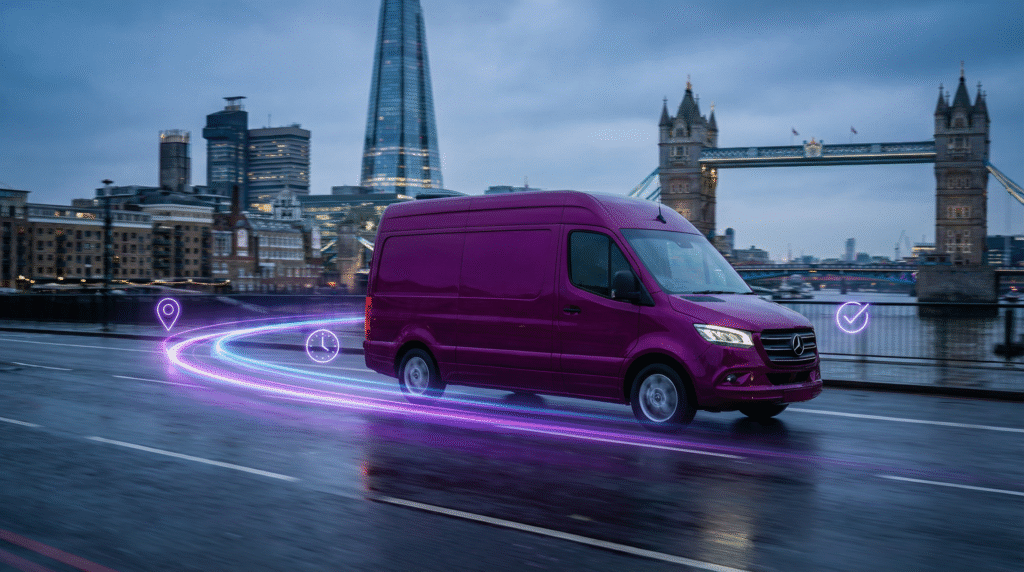
Tracked Transport helps e-commerce businesses overcome last-mile delivery challenges with reliable, efficient, and transparent logistics services across London. With real-time tracking, optimised routing, and delivery workflows designed to reduce failed attempts, we help businesses improve delivery performance while keeping customers informed.
By addressing the operational causes behind delays and missed deliveries, we support better customer satisfaction, fewer complaints, and smoother day-to-day fulfilment. If your business needs dependable last-mile support, we help you protect your reputation and focus on growth.
Next Steps to Improve Last-Mile Delivery Performance
If last-mile issues are affecting customer satisfaction or driving up costs, start by identifying where problems happen most often, such as failed deliveries, congestion-heavy routes, or low tracking visibility. From there, improving route planning, tightening delivery communication, and working with a logistics partner that provides clear tracking and dependable capacity can quickly raise delivery reliability.
Talk to Tracked Transport to explore practical options to reduce delays, improve on-time delivery rates, and strengthen your e-commerce delivery experience across London.
Frequently Asked Questions About Last-Mile Delivery Challenges for E-Commerce in London
The most common challenges include rising delivery costs, congestion and access restrictions, failed delivery attempts, limited real-time visibility, and complicated returns handling.
Clear delivery instructions, accurate customer contact details, flexible delivery options, and real-time tracking help reduce missed deliveries and unnecessary redelivery attempts.
Real-time tracking improves customer communication, reduces “Where is my order?” queries, and helps businesses respond faster when delays or exceptions occur.
We provide reliable delivery support, route optimisation, and real-time tracking to help reduce delays, lower delivery failures, and improve overall delivery performance.
Route optimisation tools, integrated logistics platforms, and real-time tracking systems are among the most effective solutions for improving delivery speed, visibility, and operational efficiency.